
Getting your HGV licence
Getting an HGV licence takes five steps: a provisional licence, a medical, theory tests, practical tests and the Driver CPC. Most learners qualify within a few months, and the official DVSA test fees come to £270 on weekday bookings.
To start, you need to be at least 18 and hold a full UK car licence. The route is the same whether you’re aiming for a rigid lorry or an articulated one.
Cat C vs C+E: which licence do you need?
- Category C (Class 2): rigid vehicles over 3,500kg. Typical work includes local deliveries, construction and refuse.
- Category C+E (Class 1): articulated lorries and vehicles towing heavy trailers. Typical work includes long-distance haulage and supermarket distribution.
You don’t have to pass Category C first. A Category C provisional licence automatically includes C+E entitlement, so you can go straight to C+E if articulated work is your goal.
HGV licence steps
Apply for your provisional licence. Send the D2 application form and the D4 medical form to DVLA. There’s no fee, and it takes around three weeks.
- Pass the medical. A GP or a private driver-medical firm completes the D4. It checks your eyesight and general fitness to drive.
- Take your theory tests. Part 1 is multiple choice and hazard perception. Part 2 is a case studies test based on real work scenarios.
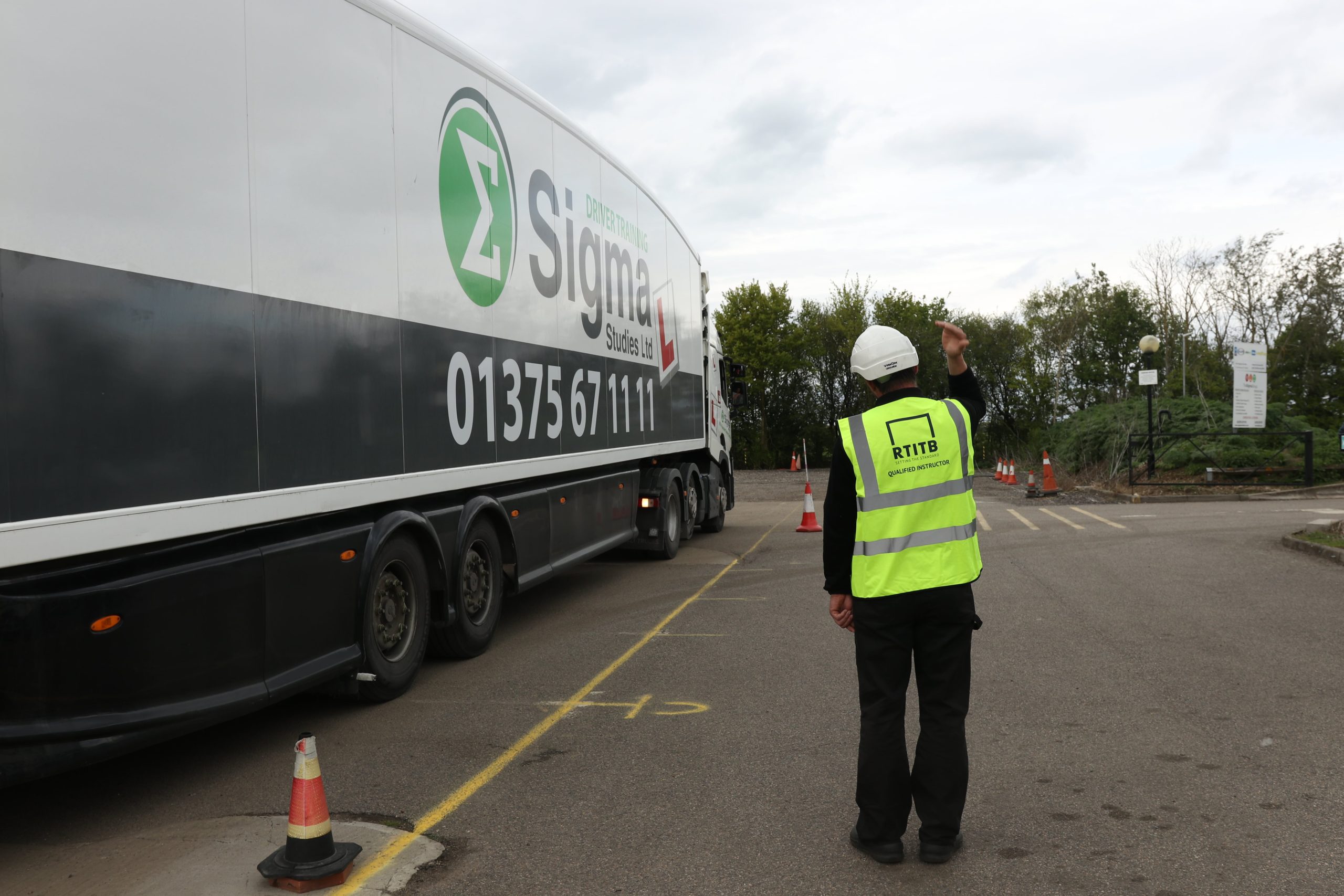
- Pass the practical tests. Part 3a covers off-road exercises, such as reversing and coupling. Part 3b is on-road driving. You must pass 3b within six months of passing 3a.
- Complete your Driver CPC. Part 4 is a practical demonstration of vehicle safety checks and loading. Read our guide to Driver CPC training for more.
Become a driver today – speak to one of our experts.


How much does an HGV licence cost?
The provisional licence is free. These are the DVSA weekday test fees:
- Part 1 theory: £26 (multiple choice) + £11 (hazard perception)
- Part 2 case studies: £23
- Part 3a off-road: £40
- Part 3b on-road: £115
- Part 4 practical demonstration: £55
Choosing the right HGV training provider
The right training provider can make the difference between passing first time and paying for resits. Look for a provider that covers every stage under one roof, from booking your medical and theory tests to practical training and the Driver CPC.
- How many hours of practical training are included. More time behind the wheel builds confidence before test day.
- Whether test fees and vehicle hire are included. An all-in price makes the total cost easier to plan.
- What support you’ll get with the theory tests. Good providers offer study materials and practice tests for hazard perception.
- Whether they offer C+E as well as Category C. This means you can go straight to articulated training if that’s your goal.
Getting your HGV licence is a clear, step-by-step process, and with the right support most learners are qualified within a few months. Whether you choose Category C for local work or go straight to C+E for long-distance haulage, an HGV licence opens the door to secure, well-paid work in an industry that needs new drivers. Take the first step today and you could be on the road sooner than you think.
Become a driver today – speak to one of our experts.
Become a driver today – speak to one of our experts.
HGV: Your Questions Answered
Most learners qualify within a few months. It depends on DVLA processing times and test availability in your area.
Yes. A Category C provisional licence includes C+E entitlement, so you don’t need to pass Category C first.
Yes, if driving is the main part of your job. Some drivers are exempt, for example those driving only for personal use.
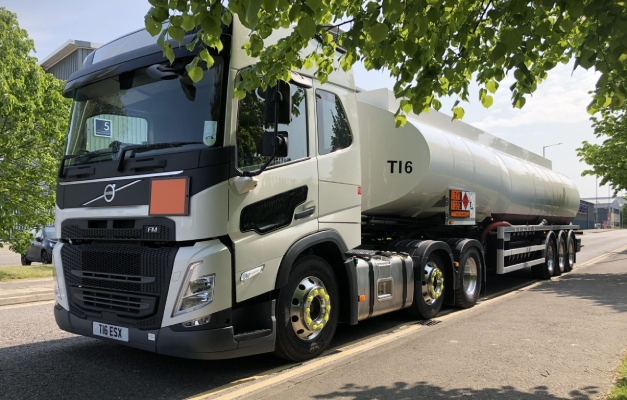
Not on its own. You also need an ADR certificate, and operators may need a safety adviser. Our DGSA explainer covers this.
Every five years, and every year once you reach 65.
Class 1 is the older name for Category C+E, which covers articulated lorries. Class 2 is the older name for Category C, which covers rigid lorries. Many employers and job adverts still use the old names.
Yes. You must pass the Part 1 theory test before you can book the Part 3a off-road test. You can take the Part 2 case studies test at any point before you qualify.
